The biggest reason the Business Manager visa has become harder to obtain
投稿日:
1. The capital threshold is six times higher, and employment is now required as well
Previously, applicants only needed to meet either “capital of ¥5 million or more” or “two or more full-time employees.” Since the amendment, they must meet both “capital of ¥30 million or more” and “at least one full-time employee.” Full-time employees are limited to Japanese nationals, permanent residents and similar status holders, so international students and others do not count. For small restaurants and individual entrepreneurs, securing both the initial funding and a hire is a major hurdle. katsumi-office
2. Japanese language and background requirements have been added
Either the applicant or a full-time employee must have Japanese language ability equivalent to JLPT N2 (B2) or higher. In addition, the applicant needs either a master’s or doctoral degree in business management or at least three years of business management experience.
3. The business plan must now be reviewed by an expert
The business plan must be reviewed by an SME management consultant, certified public accountant or tax accountant. Because the plan is assessed for how specific, reasonable and feasible it is, a plan prepared just for show will not pass.
4. A genuine business premises is required
Virtual offices, or a home office without a clearly separated business space, are unlikely to be accepted as business premises. Renting property in Japan usually requires a guarantor and a screening process, which is often difficult for foreign nationals who have not yet moved to Japan.
5. Concerns about misuse are behind the changes
The tightening reflects growing concern about shell companies with no real business being used to obtain visas. As a result, the review now focuses not just on whether the paperwork is in order, but on whether there is a genuine, operating business.
6. Renewals are no longer guaranteed
Current visa holders benefit from a transitional measure. Those who were already residing in Japan before the amendment have a three-year grace period, until October 16, 2028, during which they may still renew even if they do not fully meet the new criteria. However, renewals filed after the transitional period ends on October 16, 2028 are, in principle, expected to require compliance with the new standards. Even during the transitional period, the review considers whether the applicant is likely to meet the new criteria. kokusaihomechiyoda-gyosei
In short, applicants now need to meet requirements for capital, staffing, Japanese language ability, background and plan quality all at once. Combined with practical obstacles such as opening a bank account and securing an office, the visa has become far more difficult to obtain than before.

関連記事
-

-
外国法人(非居住者)に対して支払う著作権の使用料
外国法人に著作権の使用料を支払う場合に、その支払時に源泉所得税を徴収すべきか否か …
-

-
5400万円脱税容疑、柏のキャバクラ経営者ら逮捕 千葉
キャバクラを経営する法人経営者が逮捕されました。売上代金を3人の個人に取得させ、 …
-

-
Gooute 日本デザインのスマホを世界で販売
日本とシンガポール法人の税務会計業務関与させて頂いているGooute が、日本で …
-
-
クレジットカード会社に支払う支払手数料は非課税
税務調査で良く指摘を受ける項目です。その時は気を付けていても、少し経つと忘れてし …
-

-
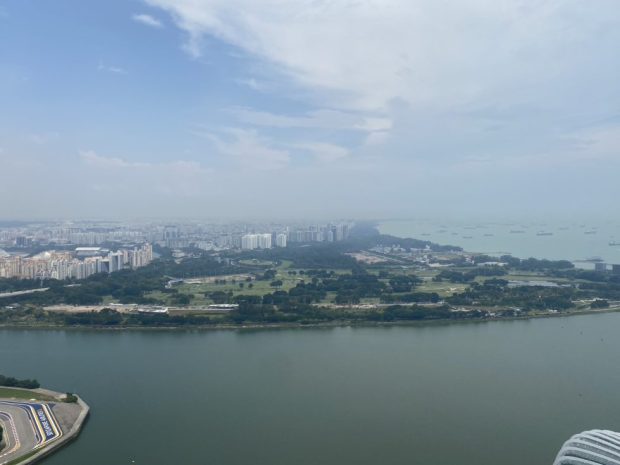
INAA 総会 at シンガポール
アルテスタが所属している国際会計事務所ネットワークINAAの総会に参加してきまし …
-
-
中小M&Aガイドライン(第3版)遵守の宣言について
中小M&Aガイドライン(第3版)遵守の宣言について アルテスタ税理 …
-
-
マイナンバー対応のシステム改修費用は修繕費 (水曜勉強会)
今日の勉強会の講師は中野さん。マイナンバー対応のためのシステム改修費用の税務上の …
-
-
自ら修正申告するか、税務署に更正させるか、税務調査の終わり方
税務調査で自社の申告内容に誤りがあった場合の話しです。 税務調査は、自社が、自ら …
- PREV
- 裁決事例を解説(水曜勉強会)
- NEXT
- 経営・管理ビザが取りにくくなった最大の理由